

Hello, Central Florida!
Florida is staging a high-stakes collision between competing visions of governance: parental autonomy versus collective protection, technological surveillance versus personal privacy, and growth versus community preservation. State health officials are simultaneously pushing families away from vaccine requirements while Governor DeSantis joins a growing chorus of voices warning against surveillance cameras tracking their movements. It's a curious paradox—trust parents to make their own health decisions, but don't trust government with your license plate data. Elsewhere, political candidates are assembling tickets and sharpening cultural fault lines, while cities weigh libraries against fireworks, one county debates whether nature preserves can survive budget pressures, and communities negotiate what they should receive in return for billion-dollar development projects. Meanwhile, data centers are promising an AI-powered future—with regulators wrestling over who should pay for all that electricity—and Brightline is laying the groundwork for a more connected Space Coast.
Let’s jump in.
⏱ Estimated reading time: 12 minutes
📰 This Week's Top Stories
💉 Florida May Drop 4 School Vaccine Requirements: Proposed changes would remove four vaccines and expand exemptions.
📹 DeSantis Warns of “Surveillance State”: Governor calls for tighter limits on Flock license-plate cameras.
🗳️ Byron Donalds Picks Bryan Avila: The Miami senator joins Donalds’ Republican gubernatorial ticket.
🎆 Altamonte Springs May End Red, Hot & Boom: Budget cuts could also close a city library.
⚾ Rays Unveil Ballpark Community Benefits Plan: $2.3B stadium proposal includes housing, jobs, transportation, and anti-displacement efforts.
⚡ Florida Data Centers Could Drive Huge Power Demand: Duke Energy faces scrutiny over who will pay for their electricity needs.
🚆 Brightline’s Cocoa Station Gets $57.5M Grant: Federal funding moves the Space Coast project closer to construction.
🏗️ Mount Dora’s Wolf Branch Development Advances: The massive 830-acre mixed-use project is moving toward construction.
AND MORE…
🚨 Featured Story
Florida Moves to Drop Four School Vaccine Requirements in Major Policy Shift
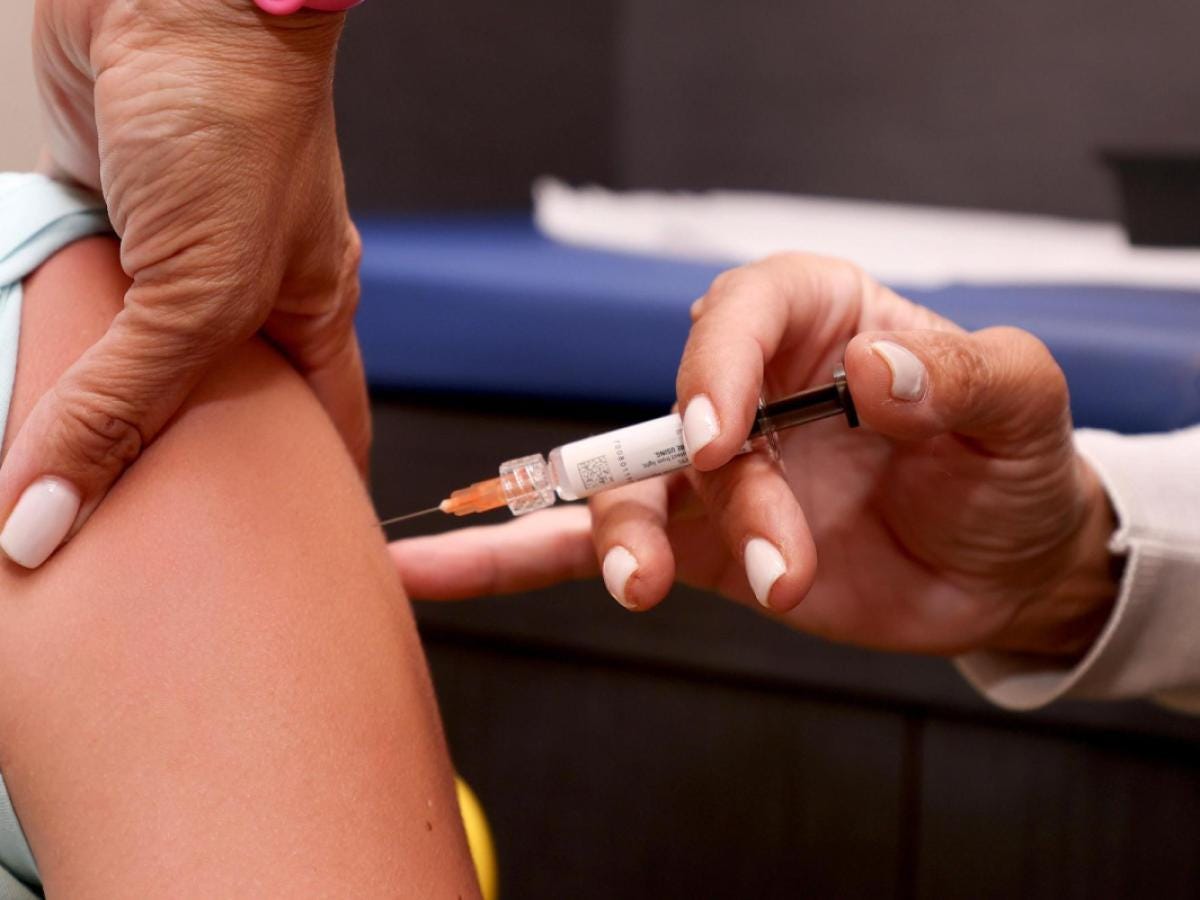
Florida health officials are moving to eliminate four vaccination requirements for children attending public and private schools, potentially marking another major change in the state’s approach to immunization policy.
The Florida Department of Health has proposed removing Hepatitis B, chickenpox, Hib, and pneumococcal vaccines from pre-K through 12th-grade entry requirements. Surgeon General Joseph Ladapo approved the proposed rule August 20, opening a 21-day public comment period before it can be finalized.
The proposal would also broaden exemptions beyond traditional religious objections to include certain moral and ethical beliefs and allow families to opt out of the state’s vaccine database.
Supporters say the changes strengthen parental choice, while pediatricians warn reduced vaccination requirements could leave schools more vulnerable to contagious diseases. Doctors urged caution at prior public meetings, arguing the change sends a dangerous message that vaccines are not essential. The move follows Ladapo and Gov. Ron DeSantis’ broader push to reconsider vaccine mandates, though lawmakers have not repealed immunization requirements established in Florida law.
DeSantis Sounds Alarm on Flock Cameras: ‘I Don’t Want a Surveillance State’
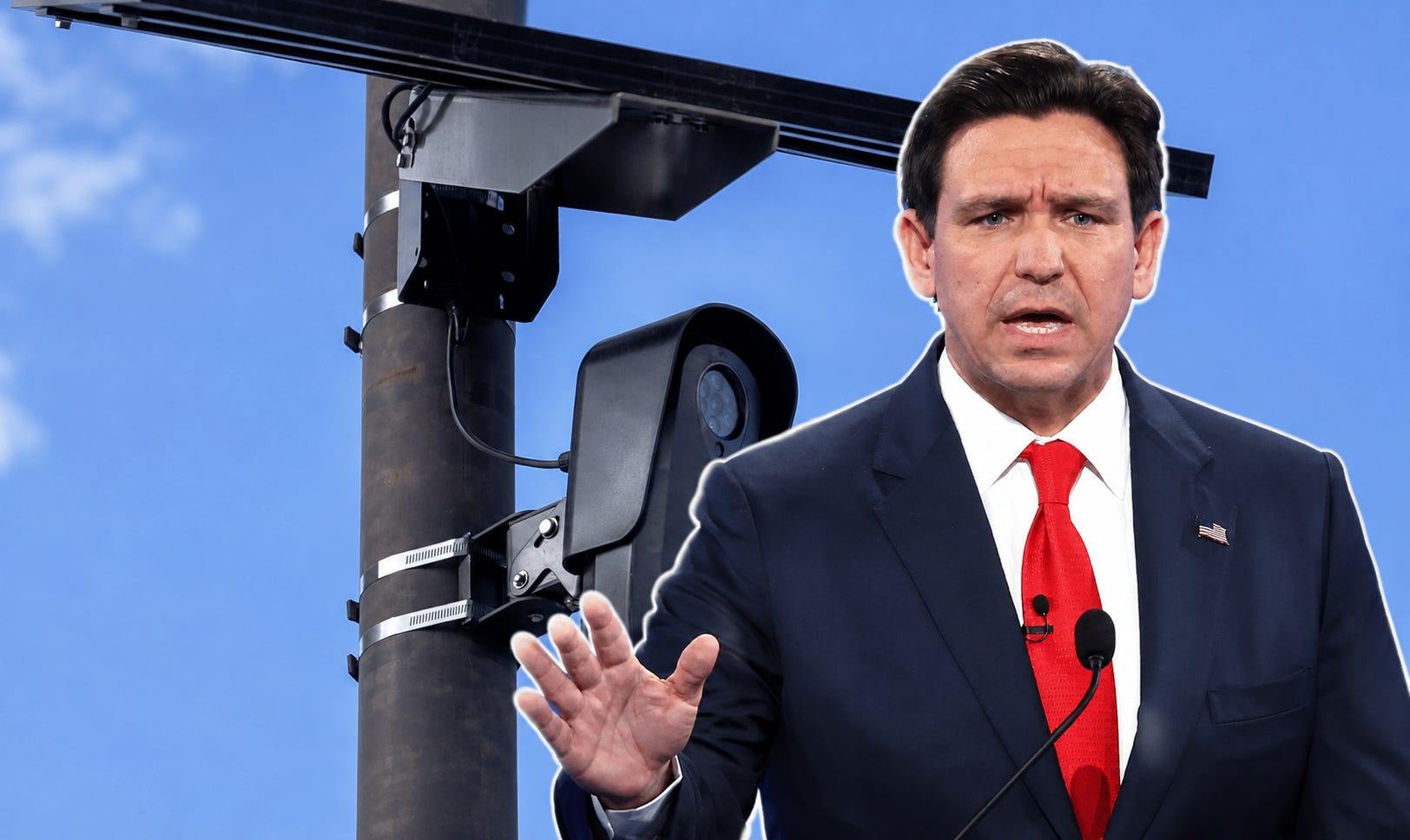
Governor Ron DeSantis is urging Florida lawmakers to tighten restrictions on AI-powered Flock cameras, warning Wednesday that crime-fighting technology could evolve into a “surveillance state.”
Speaking in Miami, DeSantis said the cameras, which track and store license‑plate and vehicle data, must be regulated to protect everyday Floridian’s privacy. He added that tracking criminals is worthwhile but questioned the collection and storage of ordinary residents’ movements through automated license plate readers. He encouraged residents to press legislators for stronger safeguards and pointed to New Hampshire’s strict limits on government surveillance as a possible model.
The governor also criticized the Florida House for rejecting his administration’s proposed “AI Bill of Rights,” arguing it could have addressed privacy concerns.
The warning comes as Florida has spent millions supporting law enforcement agencies using Flock technology through immigration enforcement grants, highlighting the growing debate over balancing public safety, artificial intelligence, and personal privacy.
Byron Donalds Picks Miami Senator Bryan Avila as Gubernatorial Running Mate
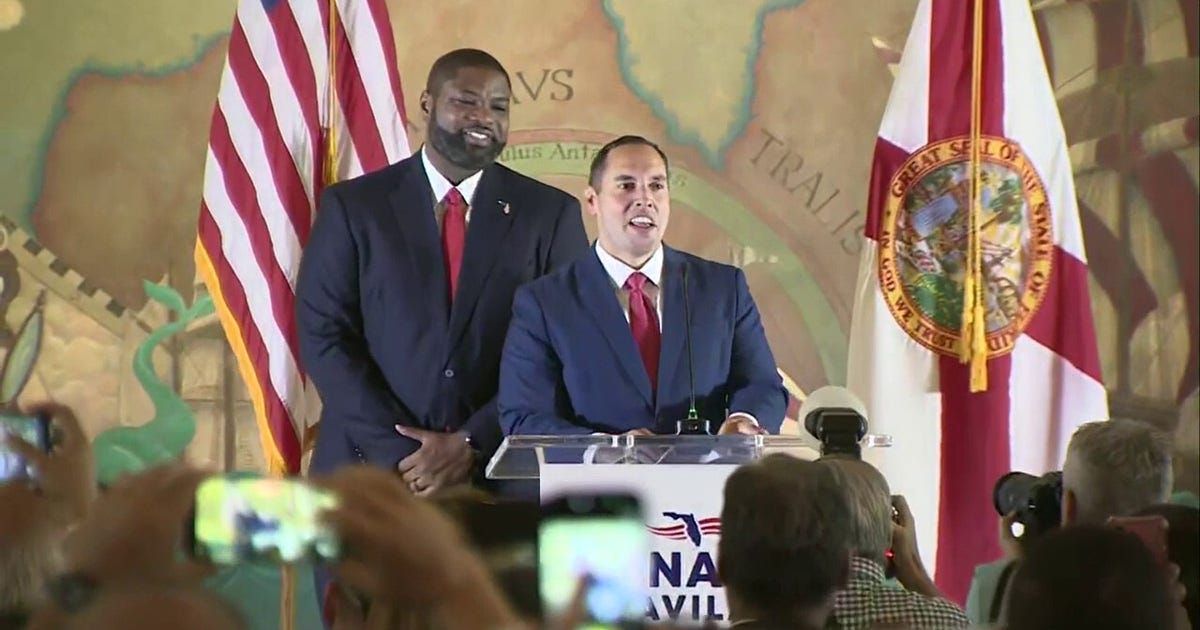
Florida Republican gubernatorial nominee Byron Donalds has selected state Senator Bryan Avila of Hialeah as his running mate for November’s election, positioning the 42-year-old lawmaker to become lieutenant governor if the Republican team secures victory.
Avila brings more than a decade of legislative experience, including eight years in the Florida House before his election to the Senate in 2022. He also serves as a Florida National Guard captain and college administrator at Doral College. Appearing alongside Donalds at Miami’s historic Freedom Tower, Avila emphasized his Cuban heritage and his opposition to socialism.
Donalds and Avila are expected to focus on affordability, housing for young Floridians, and opposition to socialism during the general election. Democratic nominee David Jolly selected former U.S. Rep. Gwen Graham, the daughter of former Florida Gov. and U.S. Sen. Bob Graham, as his running mate in June. The Democratic ticket has faced criticism over its perceived ties to Democratic U.S. Senate candidate Angie Nixon and the Democratic Socialists of America, though Jolly’s campaign rejects that characterization.
Avila has also highlighted his legislative record, including his sponsorship of the 2022 “Stop WOKE Act,” a controversial bill that restricts certain instruction and training concerning race, color, sex, and national origin. Earlier this year, he also sponsored legislation regulating large-scale AI data centers and requiring them to cover infrastructure costs rather than shifting those expenses to other electric customers. Gov. Ron DeSantis signed the measure into law in May 2026.
Altamonte Springs May End Red, Hot & Boom Event, Close City Library Amid Budget Squeeze

One of Central Florida’s biggest Fourth of July traditions could be coming to an end as Altamonte Springs officials look to cut costs in next year’s budget.
City leaders are considering eliminating the long-running Red, Hot & Boom celebration, saying the fireworks extravaganza has outgrown Cranes Roost Park and now costs nearly $950,000 annually. The event, launched in 1997, can attract enormous crowds and disrupt nearby businesses for days. Sponsorships only cover a fraction of the cost.
The proposed budget also recommends closing the city library on Maitland Avenue, reviving a controversial idea that drew widespread opposition from residents in 2024.
Officials say inflation and rising expenses are forcing difficult budgetary choices, while a proposed statewide property tax amendment could create additional financial uncertainty for local governments. Some commissioners argue essential services should take priority over costly events, while library supporters say the city should preserve the community resource.
The City Commission is scheduled to adopt its final budget September 16.
Tampa Bay Rays Reveal Community Benefits Plan for Proposed Ballpark Ahead of Votes
As the Tampa City Council and Hillsborough County Commission prepare for high-stakes votes on a proposed $2.3 billion ballpark, the Tampa Bay Rays have unveiled a wide‑ranging list of community benefits commitments tied to their proposed Tampa ballpark.
The plan outlines more than a dozen commitments, including investments in affordable housing, transportation, workforce development, anti-displacement efforts for neighboring communities, and opportunities for small and minority-owned businesses. Under the proposal, 65% of community benefits would be directed to Hillsborough County, with the remaining 35% allocated to the city of Tampa.
The Rays also pledge youth sports programs, expanded community access to games, veterans outreach, a new Hispanic and Latino Community Advisory Board, and an annual public “Community Report Card” to track progress on the commitments.
The formal Community Benefits Agreement is not yet final and still requires local approval. Specific contractual obligations, implementation details, and enforcement mechanisms remain to be determined.
Massive Data Centers Could Be Headed to Florida as Duke Energy Faces Showdown on Consumer Costs
Duke Energy Florida says enormous data centers could soon arrive in its territory, with developers approaching the utility with proposals for facilities requiring up to 1,400 megawatts of electricity—among the largest power demands in the world.
The disclosure came during a Florida Public Service Commission hearing over Duke’s plan to prevent data center growth from raising residential electric bills. Under Florida’s new consumer protection law, which passed earlier this year, utilities must prove data center expenses won’t be offset on household bills.
Consumer advocates argue the utility’s proposal falls short because it postpones data center-specific rates until its next rate case in 2027, meaning early costs could be subsidized by regular customers.
Duke insists customers will be protected, saying shareholders would absorb unexpected costs and that no major facility is expected online before new rates take effect in 2028. The utility also confirmed multiple large projects are under study, including one with a preliminary agreement, but details remain confidential.
Regulators will ultimately decide whether Duke’s approach complies with Florida’s new law after September 15, a ruling that could set the template for Florida Power & Light and Tampa Electric as the data center boom accelerates across the state.
Brightline Heads to the Space Coast: $57M Grant Fast-Tracks Cocoa Station Plan

A long‑planned Brightline station in Cocoa is moving closer to construction after the U.S. Department of Transportation approved a $57.5 million federal grant, moving passenger rail service on the Space Coast closer to reality.
The Cocoa Multimodal Station, estimated to cost more than $80 million, would serve Brightline’s Miami-to-Orlando route near U.S. 1 and Clear Lake Road, offering travelers another connection to Brevard County attractions, Port Canaveral, Kennedy Space Center Visitor Complex, and the region’s growing tourism economy. Local funding includes $15.5 million from the Space Coast TPO, $5 million from the Brevard County Tourism Development Council, and $5 million from Cocoa.
Brightline, the City of Cocoa, and regional partners will share construction funding. The station is expected to open by 2030 and add parking, amenities, and four miles of new track. Local officials also expect the project to generate economic activity and expand regional connectivity.
Mount Dora’s Controversial Wolf Branch Mixed-Use Development Moves Forward

After years of fierce legal battles and community pushback, a massive mixed-use development within Mount Dora’s Wolf Branch Innovation District is finally pressing forward.
Apopka-based AMCO Development plans roughly 1,800 homes, 950,000 square feet of commercial space, 325 hotel rooms, and a 100,000-square-foot convention center across the 830-acre site near State Road 46 and the Wekiva Parkway. The project could also include buildings reaching 175 feet in height, self-storage space, medical offices, a public water park, and a 5.2-acre man-made lake.
Residents challenged the project’s 2024 rezoning approval, but a court ruled for AMCO and the city last December and recently awarded legal costs to both parties.
The developer says preliminary site work could begin before year’s end, with formal construction expected in early 2027. AMCO hopes the project will transform the area into a destination where Lake County residents can live, work, and shop closer to home.
Pinellas County May Save Weedon Island and Shell Key Preserves as Budget Cuts Loom
Two of Pinellas County’s treasured nature preserves could receive a last-minute funding reprieve. County commissioners are considering shifting about $500,000 from money reserved for a future county headquarters to keep Weedon Island and Shell Key Preserves operating for another year.
Facing a $40 million budget gap, commissioners have discussed redirecting the money to cover the preserves’ roughly $474,000 annual cost after public backlash over initial plans to cut support for the state‑owned parks.
While the two preserves are state-owned, Pinellas County has managed them for decades and currently budgets more than $700,000 a year for rangers, maintenance, and daily operations.
Commissioners also want state lawmakers to provide long-term support, arguing Tallahassee should help fund state-owned properties. No final decision has been made, but the discussion signals growing support for protecting the preserves while a permanent solution is sought.
Hillsborough College Unveils Redesign as Proposed Rays Stadium Spurs Campus Makeover
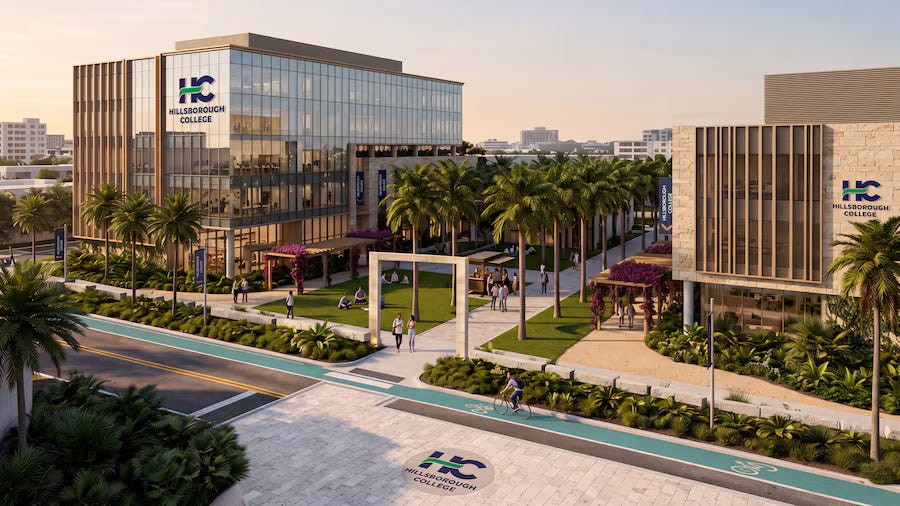
Hillsborough College is unveiling a vision for a dramatically reimagined Dale Mabry campus as plans move forward for a proposed Tampa Bay Rays stadium and surrounding mixed-use district. The college has released new renderings showing modern academic buildings, expanded classrooms and study areas, pedestrian walkways, green spaces, and a library designed around a more student-focused campus experience.

Hillsborough College President Ken Atwater said the potential ballpark development creates an opportunity to modernize the campus while strengthening workforce training for the growing Tampa Bay region. The campus overhaul is planned to become a key piece of the broader stadium district envisioned for the Dale Mabry site.
EPCOT Food & Wine Festival Turns 30 With Huge Menu of New and Returning Bites
Foodies, get ready: the EPCOT International Food & Wine Festival returns Aug. 27 through Nov. 21, celebrating its 30th anniversary with an expanded lineup of global flavors.
Disney chefs are reviving and reimagining 30 fan-favorite dishes from past festivals while introducing plenty of new options. Highlights include a Gulf Coast-style seafood roll, smoked brisket and cheddar melt, pork belly lettuce wraps, Seoul, South Korea Bo Ssam Pork Poutine, Wagyu hand rolls, Cheesesteak Macaroni and Cheese, Smoked Chocolate Bread Pudding, Cannoli Milkshake, and Pumpkin Pie Funnel Cake. The menu also includes inventive sips such as the Frozen Waffle Old Fashioned at Connections Eatery and the Swine Brine featuring Dijon mustard and a pork wing topper.
New booths and seasonal offerings will continue rolling out through October, giving repeat visitors even more reasons to return. Festival staples from Mexico, France, Italy, Japan, Germany, and other World Showcase destinations are also back.
With dozens of food and drink options across EPCOT, Disney’s milestone Food & Wine Festival promises to be one of its biggest culinary celebrations yet.
Check out the menu here: EPCOT Food and Wine Festival | Walt Disney World Resort
Hermès Is Coming to Tampa: Luxury Brand to Open at Hyde Park Village
Tampa’s luxury shopping scene is getting a major upgrade as iconic French retailer Hermès prepares to open at Hyde Park Village next year.
The new 8,030-square-foot boutique will span two floors in South Tampa, joining a growing lineup of high-end brands at the popular shopping destination. Ralph Lauren opened there earlier this summer, further elevating the area’s retail profile.
The Tampa boutique will become Hermès’ fifth Florida location, joining stores in Aventura, Miami, Naples, Orlando and Palm Beach. An exact opening date has not been announced, but fashion enthusiasts Birkin bag maker to arrive sometime in 2027.
📌 The Bottom Line
Taken together, these headlines reveal a Florida racing toward the future—and wrestling with who should shape it, who should pay for it, and what should be preserved along the way. New technologies demand more power and raise new questions about privacy; new developments demand more land and infrastructure; major projects demand more public investment; and political leaders seek greater influence over the state’s direction. Beneath each story, residents are asking the same enduring questions: What will this cost? Who benefits? And what might we lose in the process? A vaccine requirement can become a debate over parental authority; a license-plate camera can become a debate over privacy and freedom; a new stadium can become a debate over community investment; and a massive data center can become a debate over who ultimately pays for the energy-intensive future it promises. The real story isn’t simply that Florida is changing—it’s who gets a seat at the table when the state decides which changes are worth the price.
📩 Share the Local Knowledge
Enjoyed today’s breakdown? We keep Central Florida informed without the spin. Consider forwarding this email to a friend, neighbor, colleague, or local business owner who needs to stay in the know.
Thank you for reading the Central Florida Times, but before you go...
Help support local reporting by…
📤 Share this newsletter with a friend, neighbor, or coworker who wants to stay informed about Central Florida.
📩 Not subscribed yet? Subscribe for free to receive local news, politics, business, and community updates delivered directly to your inbox.
❤️ Like this post to help more readers discover it.
💬 Leave a comment with your thoughts—we read every one.
See You in the Next Edition
Thank you for covering the important issue of vaccines. Science matters. Less vaccinated students will bring disease into the schools and will add to absenteeism and failing students. We must not let Florida be the model for idiocracy. Or is it too late?